
Static ads have limitations when it comes to conveying complex information. 3D product animation overcomes these limitations by adding motion and depth.
In today’s “Breakdown Bite”, our short and sweet (under 5 minutes) read, we’re quickly breaking down how 3D animation and static ads differ, and explaining why motion-led content drives better engagement and performance.
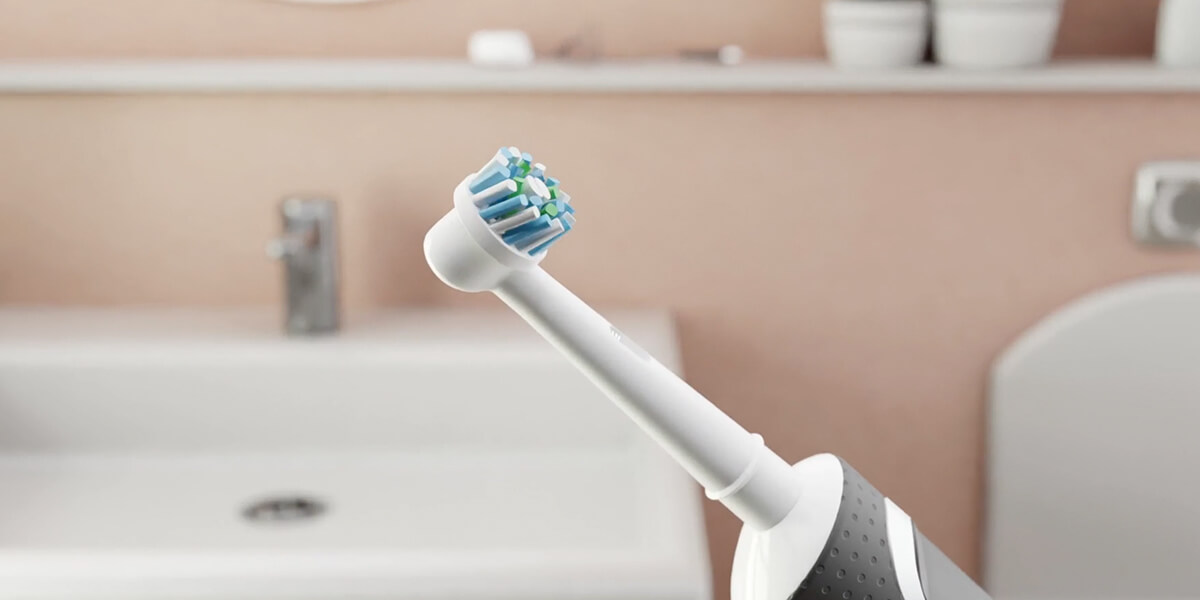
3D animation vs. static ads
Motion naturally draws attention, making animated ads more noticeable.
It also provides more information in less time.
3D animation allows for dynamic storytelling.
It can showcase multiple features in a single asset.
Additionally, it improves recall, as viewers are more likely to remember moving visuals.
It also enhances brand perception.
Overall, 3D animation delivers stronger performance metrics compared to static ads.
THE bottom line
3D product animation offers a dynamic and engaging alternative to static advertisements, effectively capturing consumer attention and enhancing product understanding.
By providing a more immersive experience, these animations allow potential customers to visualize products in action, thereby fostering a deeper emotional connection and increasing the likelihood of purchase.
The dynamic nature of book trailers not only fosters greater interaction but also encourages sharing, thereby amplifying visibility and generating buzz within the literary community.
Businesses that leverage the advantages of 3D animation will likely find themselves at a competitive edge, driving higher engagement rates and ultimately achieving greater success in their marketing efforts.
Ready to drive engagement and boost sales for your product?
Let RDV Media help you with that!
Contact us to book our expert 3D product animation services today!

written by
RDV is a multidisciplinary artist and owner/CEO of RDV Media, with over a decade of experience in the creative industry.