
Visual content plays a pivotal role in capturing audience attention and conveying brand messages effectively. Among the various visual tools available, 3D rendering and photography stand out as powerful options, each with its unique advantages and limitations.
Understanding the differences between these techniques and how they align with marketing goals is essential for businesses aiming to maximize their impact.
In today’s “Breakdown Bite”, our short and sweet under (5 minutes read), we’re quickly breaking down the strengths and weaknesses of 3D rendering and photography, to help businesses determine which approach best suits their branding and promotional strategies.
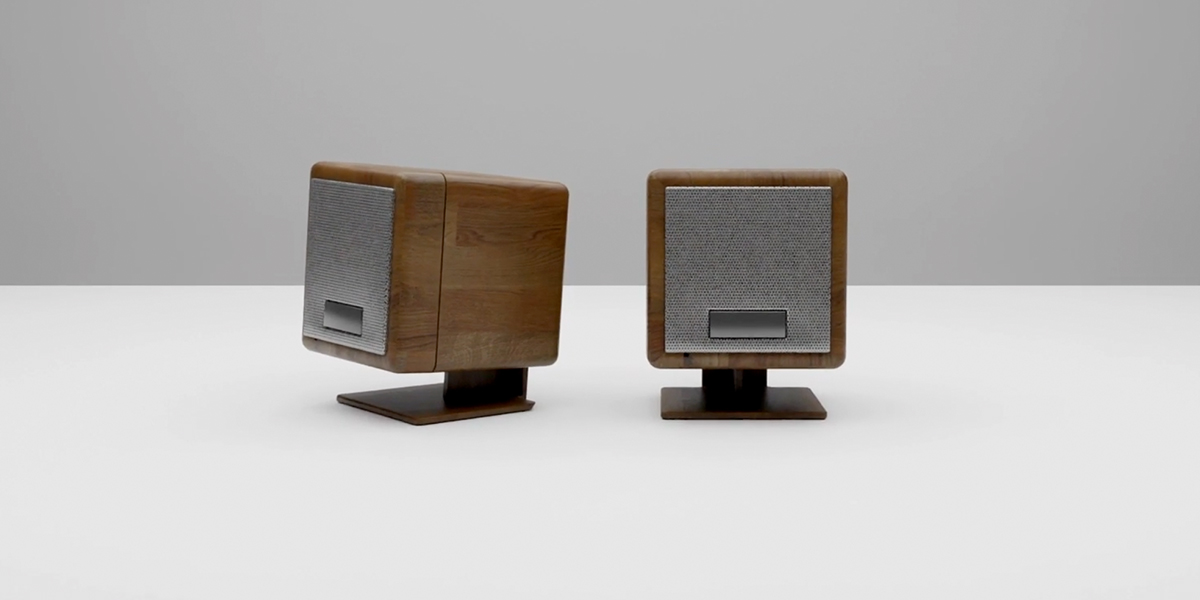
3D Rendering or Photography?
Choosing between 3D rendering and traditional photography depends on a brand’s goals, budget, and content needs.
3D rendering offers flexibility and scalability. Changes can be made quickly without reshooting.
Photography, on the other hand, provides authenticity and may be preferred for certain industries.
Rendering is often more cost-effective over time and allows for perfect lighting and angles every time.
Photography may require more resources and logistics.
Rendering is ideal for digital-first campaigns.
Photography can be better for lifestyle-focused branding.
In some cases, a hybrid approach works well.
THE bottom line
Ultimately, the choice between 3D rendering and photography hinges on the specific needs and objectives of a marketing campaign.
While photography offers authentic, real-world imagery that can build trust and credibility, 3D rendering provides flexibility and creative control that can showcase products in ways photography cannot.
By carefully considering factors such as cost, time, visual authenticity, and creative potential, businesses can make more informed decisions to select the most effective visual approach.
Both tools have their place in a successful marketing arsenal, and leveraging their strengths can lead to compelling, eye-catching campaigns that resonate with audiences.
Have a product that could benefit from a 3D rendering?
Let RDV Media help you with that!
Contact us to book our expert 3D product rendering services today!

written by
RDV is a multidisciplinary artist and owner/CEO of RDV Media, with over a decade of experience in the creative industry.