
2D animation has long held a special place in the worlds of entertainment, education, and advertising.
From Disney classics to modern indie animations, 2D animated characters bring stories to life with their unique visual appeal and expressiveness.
So, what makes a 2D animated character a good one? And not merely from a usability or engagement sense – but in the actual breakdown of building a solid 2D animated character, what makes them work?
Before we dive into the answers for that, let’s start by defining what 2D animated characters are and how they’ve evolved over time.

What Are 2D Animated Characters?
At their core, 2D animated characters are two-dimensional representations of people, animals, or objects designed for animation. These characters are defined by two primary dimensions—height and width—without any depth, which differentiates them from their 3D counterparts.
2D animation can be created using various techniques, including hand-drawn animation, digital drawing, and vector graphics, providing creators a versatile canvas to express themselves through this artistic medium.

The history of 2D animation dates back to the early 20th century. Pioneers like Walt Disney and Max Fleischer contributed significantly to the art form, crafting beloved characters such as Mickey Mouse and Betty Boop.
Over the years, the medium has evolved from simple hand-drawn frames into intricate, computer-generated animations, while retaining the charm and originality of its roots.
Today, 2D animation can be found in various formats, from feature films and television shows to short web series and video games. Creating a memorable 2D animated character requires attention to several design elements that contribute to its visual appeal, personality, and storytelling capability.
So, now that we know the what on 2D animated characters, let’s look deeper at how we can craft a good one.
Here are some foundational components to consider when designing a 2D character
1 ) Silhouette

A strong silhouette is vital in character design, making the character easily recognizable and visually distinctive. A clear silhouette helps viewers identify the character’s shape and overall design, even from a distance.
Tips for Creating a Strong Silhouette:
– Utilize unique shapes and forms.
– Ensure the outline conveys the character’s personality through posture and stance.
– Avoid unnecessary details that could clutter the silhouette.
2 ) Color Palette
Color plays a crucial role in defining a character’s identity and evoking emotions in the audience. A well-thought-out color palette can also enhance the storytelling aspect of a character.
Considerations for Color Choices:
– Colors should reflect the character’s personality (e.g., warm colors for friendly characters, cooler tones for mysterious ones).
– Ensure the color scheme stands out against the backgrounds where the character will appear.
– Limit the number of colors to maintain coherence; typically, two to four main colors work well.

3 ) Facial Expressions

Facial expressions are essential for conveying emotions and reactions. A character’s face should be designed in such a way that it can express a wide range of emotions clearly and quickly.
Focus Areas for Facial Design:
– Exaggerate features suitable for the character’s traits (e.g., oversized eyes for innocence, sharp angles for villainy).
– Include key expressive features, such as eyebrows and mouth shapes, allowing for dynamic expressions.
– Develop various facial expression drawings to ensure versatility during animation.
4 ) Proportions
Proportions can greatly influence how a character is perceived. Altering the typical human proportions can emphasize particular traits or characteristics, adding depth to the character.
Important Proportion Guidelines:
– Consider the ‘rule of thirds’ or other ratios to achieve balanced designs.
– Play around with exaggeration—short legs can suggest comedic characters, while elongated limbs might indicate elegance.

5 ) Character Backstory and Personality
To get the most out of your video marketing, you need to diversify the types of videos you create.
Building a Strong Character Foundation:
– Create a detailed character sheet that includes the character’s history, motivations, and traits.
– Think about how the character’s design complements their narrative arc (e.g., a hero’s journey might require visual evolution).
6 ) Unique Features and Accessories
Distinctive features and accessories can help set your character apart and further embed their uniqueness in the minds of viewers.
Elements to Consider:
– Small props or items that the character regularly interacts with (like a magic wand, backpack, or instrument) can add layers to their design.
– Unique hairstyles, scars, or clothing can also serve as identifiers.

7 ) Movement and Animation Style
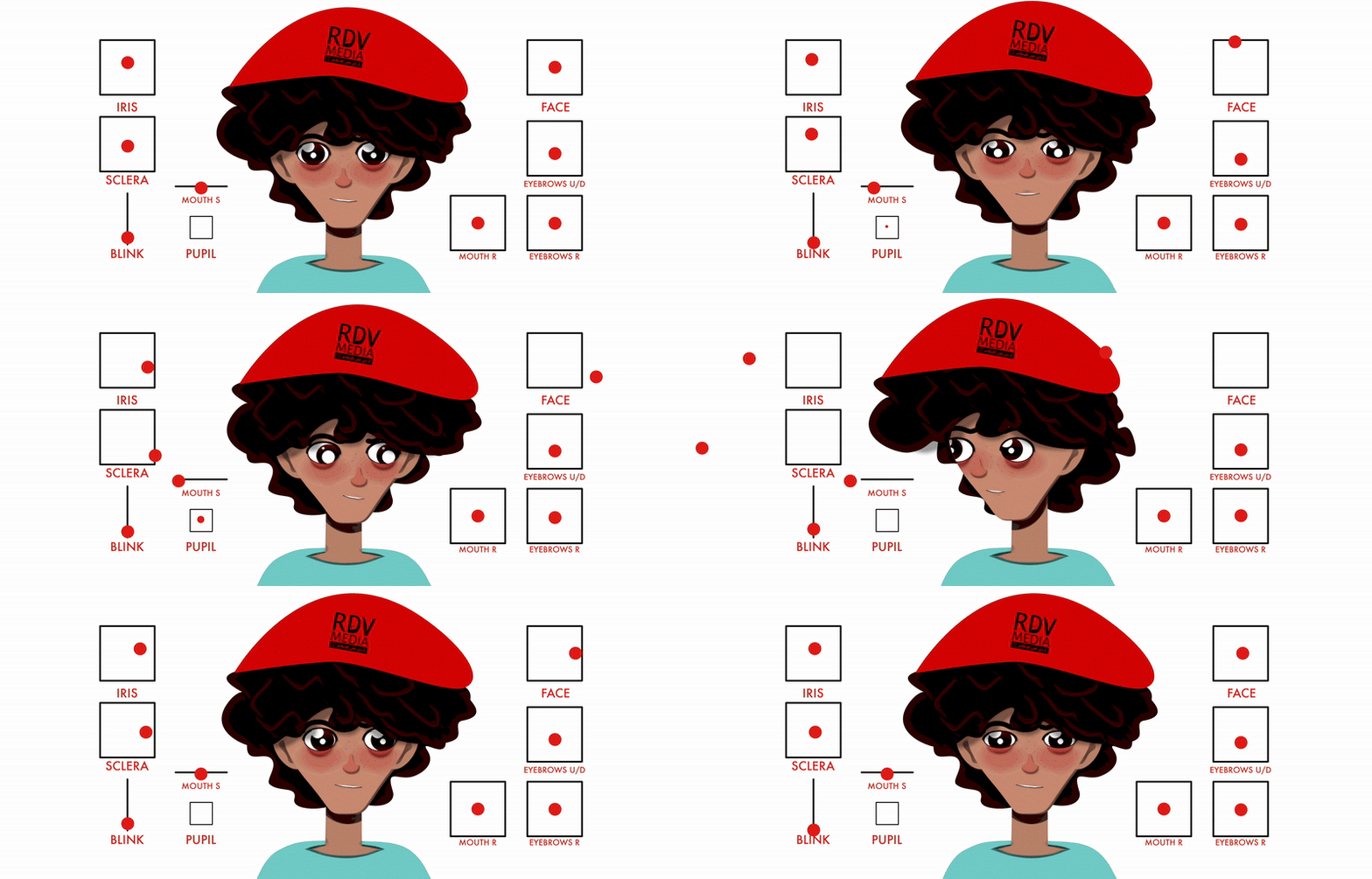
Since 2D animated characters are intended for movement, considering how the character moves and animates is crucial for design. Different animation styles — such as traditional frame-by-frame or rigged animations — dictate how certain elements should function.
Animation Considerations:
– Design characters with articular joints and body parts to facilitate smoother motion.
– Ensure that the style of animation aligns with the character’s personality; more exaggerated movements suit comedic characters, while subtle motions may fit dramatic ones.
8 ) Relatability and Appeal
To engage audiences, characters often need to evoke empathy and connection. A character’s relatability can be achieved through their design, personality traits, and the situations they find themselves in.
Building Relatable Characters:
– Incorporate universal traits, fears, and aspirations that audiences can connect with.
– Emphasize imperfections or quirks, as these qualities are generally endearing and relatable.
9 ) Cultural Context

Finally, understanding cultural implications can greatly impact a character’s design and reception. A character must not only appeal to a target audience but also respect cultural nuances.
Key Cultural Considerations:
– Research cultural symbolism tied to colors, shapes, and expressions.
– Ensure that character designs do not inadvertently perpetuate stereotypes.
THE bottom line
Creating captivating 2D animated characters is an art form within itself that balances creativity with technical expertise.
Each design element — from silhouette and color palette to facial expression and cultural context — plays a crucial role in bringing characters to life and ensuring they resonate with audiences. By thoughtfully combining these elements, animators can craft characters that leave a lasting impression, evoke emotion, and tell compelling stories.
Whether you’re a budding animator, a seasoned designer, or simply a business owner considering incorporating 2D animated characters within your own marketing efforts (and looking for a little more insight), understanding these principles is the first step toward creating impactful 2D animated characters that stand the test of time.
As the medium continues to evolve, so too will the art of character design, pushing the boundaries of creativity and storytelling in the world of animation.
Ready to push the boundaries on how you present your business through animated characters?
Let RDV Media help you with that.

written by
RDV is a multidisciplinary artist and owner/CEO of RDV Media, with over a decade of experience in the creative industry.