
As humanity evolves, and our means of connecting and experiencing the world evolves with us, there is an emerging side-effect we have to face — consumer attention spans are shrinking… rapidly.
Because of this, the importance of establishing a solid brand identity can’t be overstated.
A powerful brand identity not only differentiates a business from its competitors but also fosters loyalty and trust among consumers.
This is where a brand identity designer steps into the spotlight.
But who are these creative professionals? What exactly do they do, and why should businesses invest in their expertise?
Let’s break down the intricate world of brand identity designers, their roles, and their responsibilities, so you’ll know why every business should consider hiring one.
What is a Brand Identity Designer?
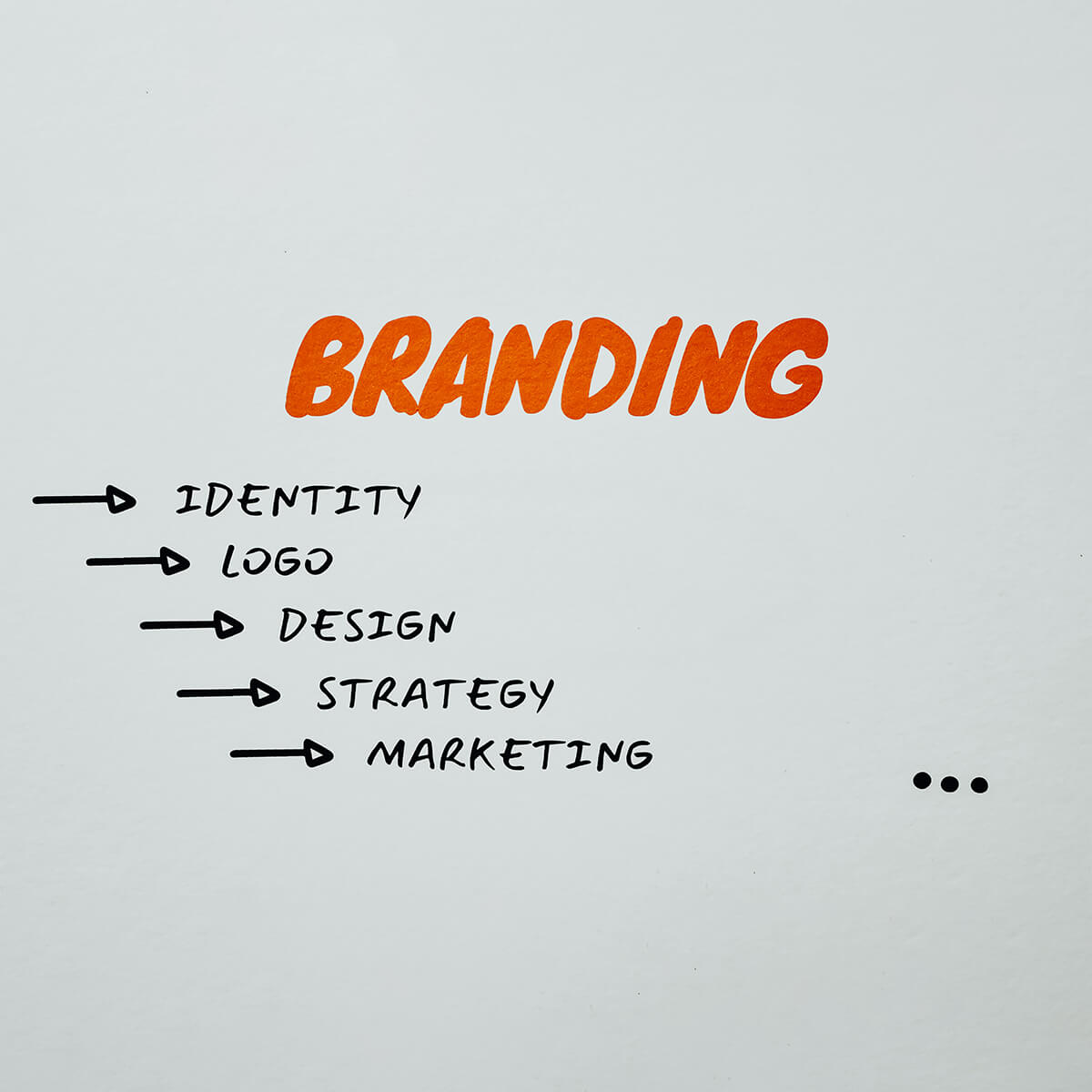
A brand identity designer is a professional who specializes in creating and managing the visual and conceptual elements that embody a brand’s essence.
This encompasses a wide range of tasks, from designing logos and selecting color palettes to crafting typography and establishing consistent imagery across marketing materials.
Essentially, brand identity designers are the architects of the visual narrative that communicates the brand’s values, mission, and personality to their target audience.

Skills and Tools of the Trade
Brand identity designers generally possess a unique blend of artistic prowess, strategic thinking, and knowledge of marketing principles. Their skill set often includes:
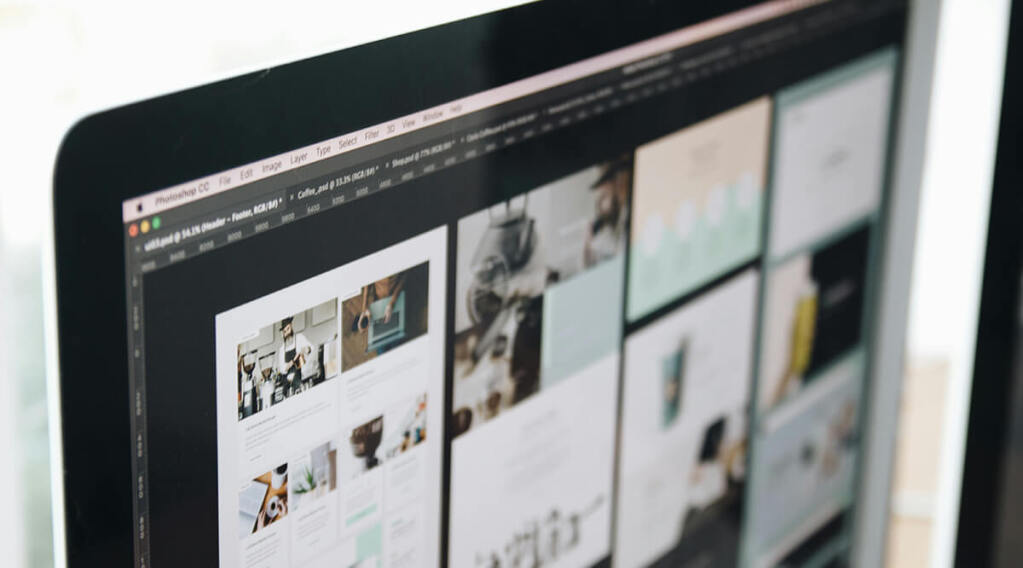
– Graphic Design — Proficiency in graphic design software such as Adobe Illustrator, Photoshop, and InDesign is crucial. Designers use these tools to create high-quality visuals that represent the brand.
– Understanding of Branding Principles — A strong grasp of branding fundamentals allows designers to produce work that aligns with the brand’s mission and values.
– Creativity and Innovation — The ability to think outside the box and generate original ideas is key. The best brand identity designers stay ahead of trends while creating something timeless.
– Communication — Designers must effectively communicate their ideas and concepts to clients and stakeholders, ensuring everyone is on the same page about the brand vision.
– Market Research — Understanding the target audience and how the brand fits within the competitive landscape is essential. Designers often conduct research to inform their decisions.

Common Deliverables
When working with clients, brand identity designers can provide a plethora of deliverables, including:
– Logo Designs — The cornerstone of any brand identity, logos are critical as they are often the first point of recognition for consumers.
– Color Palettes — Color selections play a vital role in evoking emotions and conveying messages associated with the brand.
– Typography — The fonts used in branding can significantly impact how the brand is perceived, affecting everything from readability to tone.
– Brand Guidelines — Documenting how to use the brand elements consistently across various platforms ensures cohesive messaging.
– Marketing Materials — From business cards to brochures and social media graphics, designers create a suite of materials that reflect the brand identity.

The Role of a Brand Identity Designer
The role of a brand identity designer extends beyond simply creating visuals; it encompasses a strategic approach to shaping how a brand is perceived.
Here are the primary responsibilities that define their role:
1 ) Brand Discovery

Brand identity designers often start their process with a deep dive into the brand.
This involves understanding the company’s mission, values, and target audience.
Through brainstorming sessions, interviews, and workshops, they gather insights that will guide their design choices.
2 ) Concept Development
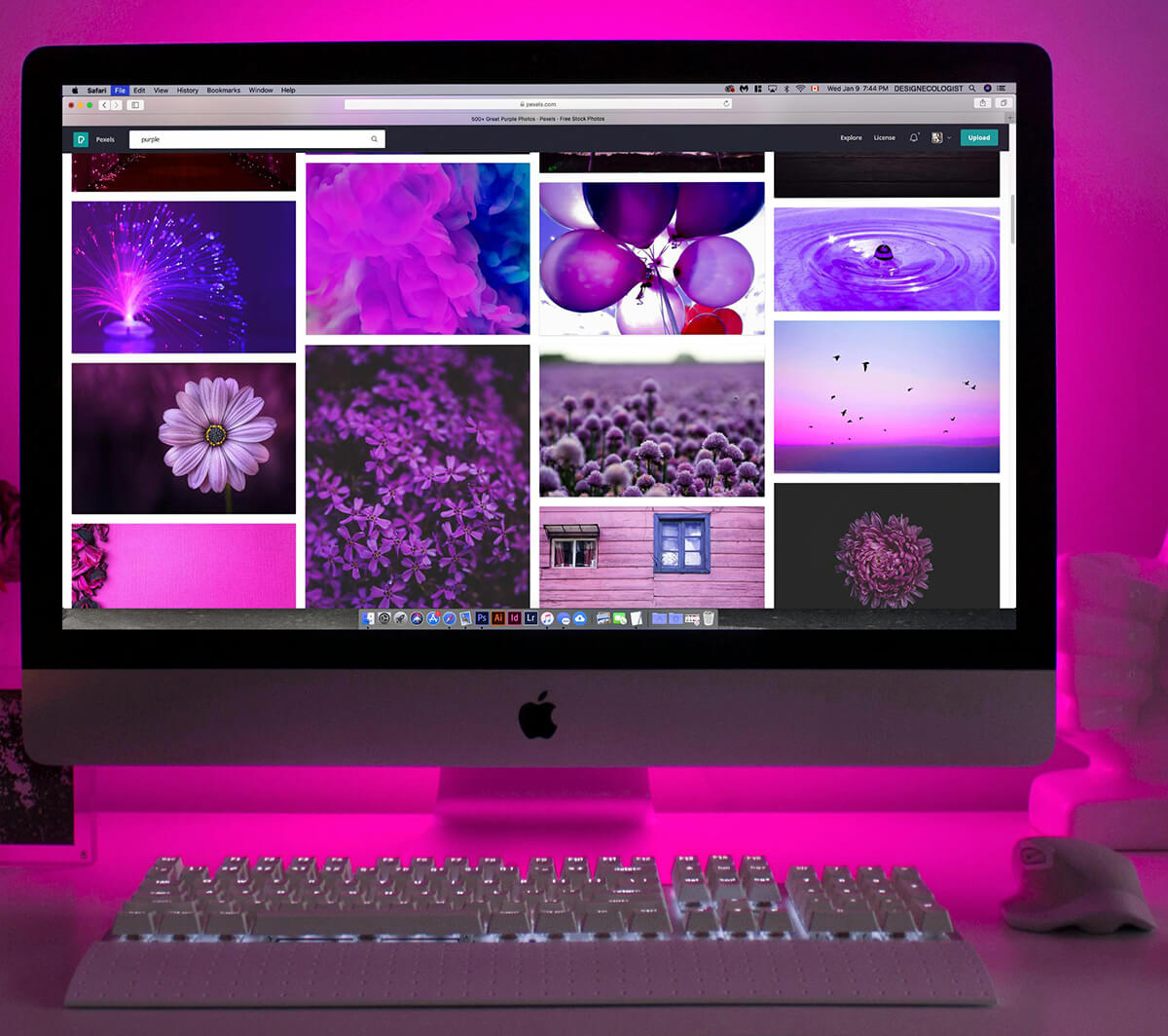
Once the brand’s essence is identified, designers develop concepts that visually encapsulate this information.
They create mood boards, sketches, and initial drafts to present to the client, setting the stage for further refinement.
3 ) Design Execution

After receiving feedback and making necessary adjustments, brand identity designers execute the final designs.
This step requires meticulous attention to detail to ensure that every element aligns perfectly with the brand’s vision.
4 ) Implementation Support
Designers often assist in implementing their designs across different platforms.
They may collaborate with web developers, print specialists, and marketing teams to ensure the brand identity is consistently applied.
5 ) Ongoing Management and Evolution
Brand identity is not static; it evolves over time.
Designers can help brands navigate changes — whether through rebranding or simply refreshing existing materials to keep up with current trends.
Why Businesses Should Hire a Brand Identity Designer
Now that we understand what brand identity designers do, let’s explore the myriad reasons why hiring one is essential for any business looking to establish a strong presence in the market.
1 ) Professionalism and Expertise

Brand identity designers bring professionalism and a wealth of expertise to the table.
They have honed their skills through education and experience, allowing them to approach brand identity with a level of insight that many businesses may lack.
Outsourcing this crucial aspect of your business to skilled designers can make a significant difference in the quality of your brand representation.
2 ) Consistency Across Touchpoints
One of the most critical aspects of branding is consistency.
When a brand’s visuals are inconsistent, it can confuse consumers and dilute the brand’s message.
A brand identity designer ensures that all elements — from logos to marketing materials — are cohesive and aligned, creating a unified image that enhances brand recognition.

3 ) Standing Out in a Crowded Market

In saturated markets, differentiation is key.
Brand identity designers specialize in creating unique visual identities that set businesses apart from competitors.
Their expertise can help a brand find its voice and develop a distinct look that captures the attention of potential customers.
4 ) Building Trust and Loyalty
A well-designed brand identity communicates professionalism and reliability, fostering consumer trust.
When customers recognize a brand’s visual elements and have positive experiences associated with them, they are more likely to develop loyalty.
A brand identity designer helps lay the groundwork for this long-term relationship.

5 ) Enhancing Marketing Efforts
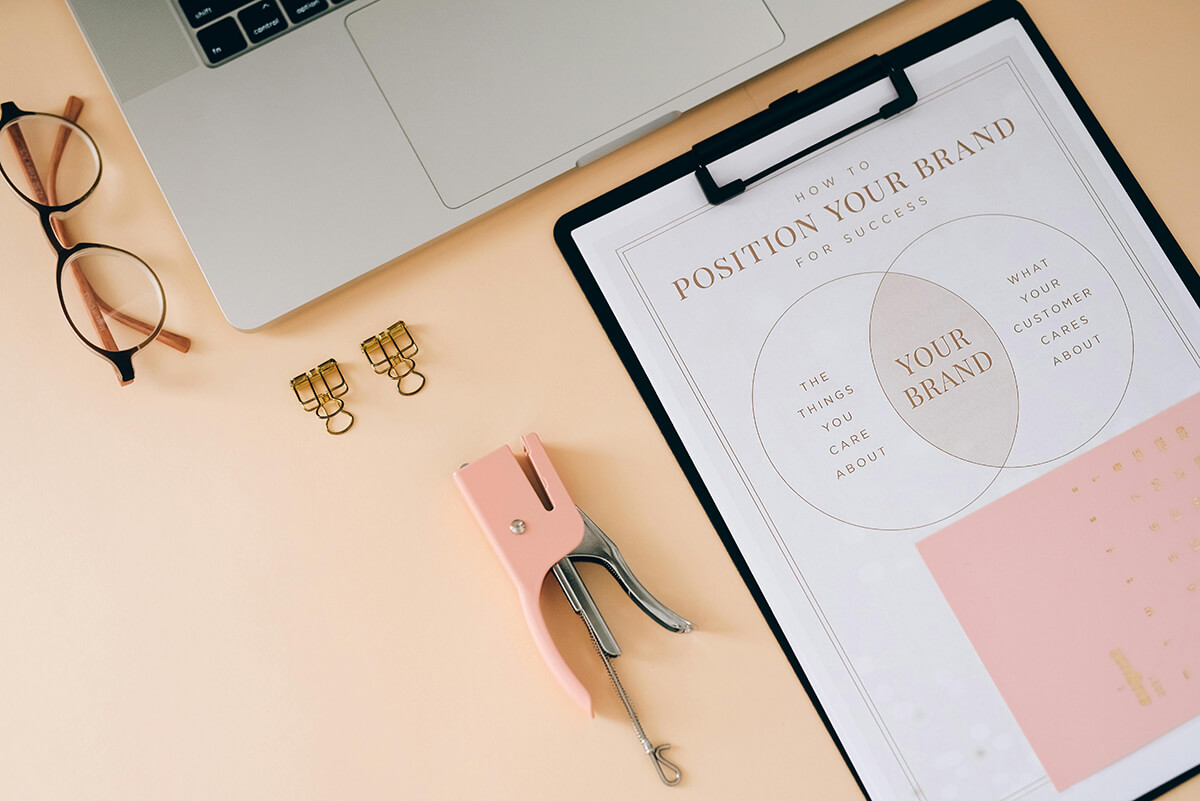
With a strong brand identity, marketing efforts become more effective.
Consistent visuals and messaging create a strong brand recall, making it easier for consumers to remember and choose the brand.
A well-executed brand identity can lead to increased engagement and sales across various marketing channels.
6 ) Adaptability for Growth
Businesses evolve, and so do their branding needs.
A brand identity designer can facilitate a seamless transition when a business pivots, expands, or undergoes mergers.
They ensure that transitions maintain continuity while adapting to new markets or audiences.

7 ) Time and Resource Efficiency

Outsourcing brand identity design allows businesses to focus on core operations without diverting resources to complex design tasks.
Designers can navigate the creative process efficiently, saving time and effort for the business owner.
THE bottom line
Hiring a brand identity designer is an investment that can pay dividends in establishing a business’s identity, building consumer trust, and fostering loyalty.
As businesses continue to navigate an increasingly competitive market, the value of a strong brand identity becomes clearer than ever.
Whether you’re a startup embarking on your branding journey or an established business looking to refresh your image, a brand identity designer can be a crucial partner in achieving your goals.
Investing in professional design services is not merely an option; it is a necessity for organizations eager to make their mark in the marketplace.
So, have you hired a brand identity designer to take your business’s branding to the next level?
No?
Let RDV Media help you with that.

written by
RDV is a multidisciplinary artist and owner/CEO of RDV Media, with over a decade of experience in the creative industry.